
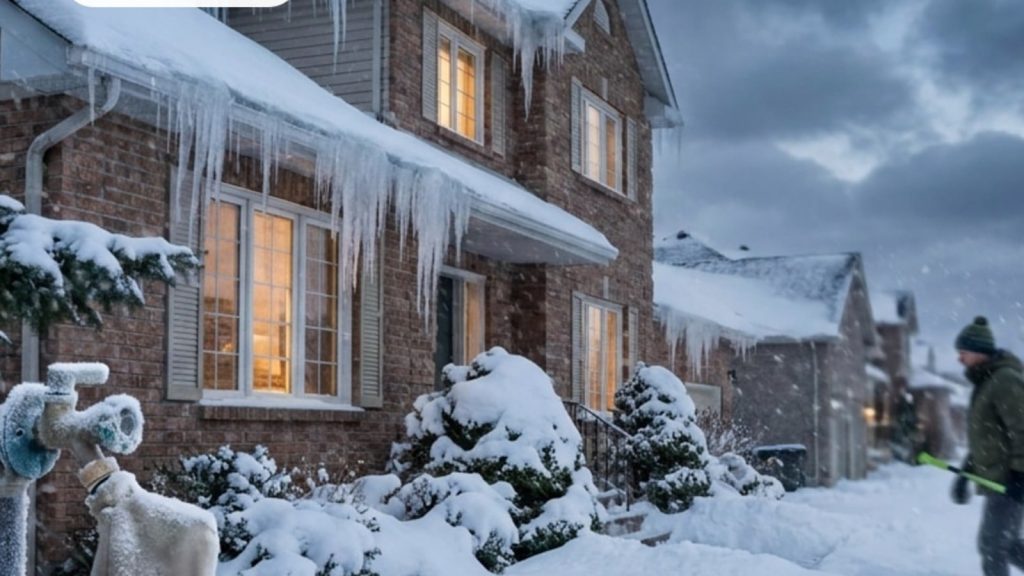
Every winter, thousands of Ottawa homeowners discover frozen pipes the hard way—when water stops flowing or, worse, when a burst pipe floods their basement. With temperatures routinely dropping below -20°C through January and February, pipe freezing isn’t a question of if, but when—unless you take the right preventive steps now.
Frozen pipes cause an average of $5,000 to $15,000 in water damage repairs, according to insurance industry data. The good news? Most frozen pipe disasters are completely preventable with simple winterization steps you can take this week. In this guide, we’ll walk through exactly how to protect your Ottawa home from frozen pipes, what to do if pipes do freeze, and when it’s time to call in licensed professionals.
Why Do Pipes Freeze in Ottawa Homes?
Pipes freeze when the water inside them drops to 0°C and begins turning to ice. As ice forms, it expands with tremendous force—up to 25,000 pounds per square inch—which can crack even copper and PVC pipes within minutes. Ottawa’s long, harsh winters create perfect conditions for pipe freezing, especially in these vulnerable areas:
- Exterior walls: Pipes running along outside-facing walls lose heat quickly, especially on the north side of your home
- Unheated spaces: Crawl spaces, attics, and unfinished basements often dip below freezing when outdoor temperatures plunge
- Outdoor faucets and hose bibs: These are exposed directly to freezing air and are often the first to freeze
- Garage plumbing: Many Ottawa homes have utility sinks or water lines in unheated garages that freeze solid by mid-January
Older homes built before modern insulation standards are especially vulnerable, but even newer constructions can experience frozen pipes if winterization steps are skipped. Since 1933, Francis Plumbing has helped thousands of Ottawa families protect their homes from winter plumbing disasters—here’s what we recommend.
8 Essential Steps to Prevent Frozen Pipes This Winter
Prevention is always easier and cheaper than emergency repairs. Follow these eight proven steps before the first deep freeze arrives:
1. Shut Off and Drain Outdoor Faucets
Locate the shut-off valve inside your home that controls each outdoor faucet (also called hose bibs). Turn off the water supply, then go outside and open the faucet to drain any remaining water. Leave the outdoor faucet open all winter—this allows any residual water to expand without bursting the pipe. If you’re not sure where your shut-off valves are located, a licensed plumber can identify and label them during a winterization service visit.
2. Disconnect and Store Garden Hoses
Water trapped in a connected garden hose can freeze and back up into your home’s plumbing, causing the faucet or pipe to burst. Disconnect all hoses, drain them completely, and store them in your garage or shed. This simple five-minute task prevents hundreds of dollars in potential damage.
3. Insulate Exposed Pipes in Unheated Areas
Foam pipe insulation sleeves are inexpensive (typically $2-5 per six-foot length) and available at any Ottawa hardware store. Wrap all exposed pipes in your basement, crawl space, attic, and garage. Pay special attention to pipes along exterior walls. For maximum protection, use insulation rated for at least -40°C.
4. Seal Cracks and Gaps Near Pipes
Cold air flowing through small cracks around pipes can drop temperatures enough to cause freezing. Walk through your basement and look for gaps where pipes enter through exterior walls, around dryer vents, and near foundation cracks. Seal these openings with expanding foam insulation or caulk. This also improves your home’s overall energy efficiency.
5. Keep Cabinet Doors Open During Cold Snaps
Kitchen and bathroom sinks are often installed against exterior walls, putting the pipes at risk during extreme cold. When temperatures drop below -15°C, open the cabinet doors under these sinks to allow warm room air to circulate around the pipes. This simple trick can prevent freezing overnight.
6. Let Faucets Drip on Extremely Cold Nights
When Environment Canada issues extreme cold warnings (temperatures below -25°C), let vulnerable faucets drip slightly overnight—about the thickness of a pencil lead. Moving water is much harder to freeze than standing water. The small increase in your water bill is nothing compared to the cost of burst pipe repairs.
7. Maintain Consistent Indoor Temperatures
Never set your thermostat below 15°C, even when you’re away for extended periods. If you’re leaving town during winter, ask a neighbor to check your home daily and ensure the heat is working properly. A furnace failure during a cold snap can lead to frozen pipes throughout your entire house within hours.
8. Consider Heat Tape for Problem Areas
If you have pipes that freeze repeatedly despite insulation, electric heat tape (also called heat cable) provides active warming. Heat tape wraps around pipes and plugs into a standard outlet, maintaining temperatures above freezing. Installation should be done by a licensed electrician or plumber to ensure safety and proper coverage.
What to Do If Your Pipes Freeze
Despite your best prevention efforts, pipes can still freeze during Ottawa’s coldest weeks. If you turn on a faucet and only a trickle comes out, you likely have a frozen pipe. Here’s what to do:
First, locate the frozen section. The blockage is usually in pipes along exterior walls or in unheated spaces. If you can access the frozen pipe safely, you may be able to thaw it yourself using a hair dryer, space heater, or heat lamp. Never use an open flame, torch, or high-heat device—you could start a fire or damage the pipe further.
Open the faucet. As you warm the pipe, keep the faucet open. This allows water and steam to escape as the ice melts, reducing pressure that could cause the pipe to burst.
Warm the pipe slowly. Apply gentle heat starting from the faucet end and working back toward the frozen section. This allows melting water to flow out through the open faucet rather than getting trapped behind the ice blockage.
Call a professional immediately if: You can’t locate the freeze, the pipe is inside a wall or ceiling, you hear cracking or see bulging in the pipe, or water isn’t flowing after 30 minutes of warming. A frozen pipe can burst without warning, causing catastrophic water damage. Licensed plumbers have specialized thawing equipment and can access pipes inside walls safely.
When to Call Professional Plumbers for Winterization
While homeowners can handle many basic winterization tasks, certain situations require licensed plumbing professionals:
- If you’re unsure where shut-off valves are located or how to properly drain outdoor faucets
- If you have a history of frozen pipes in specific areas—a plumber can identify why and implement permanent solutions
- If you have complex plumbing systems with multiple zones, radiant heating, or recirculation pumps that need specialized winterization
- If you own a cottage or seasonal property that needs complete winterization and blow-out services
- If you’re leaving Ottawa for extended winter periods—professional winterization gives you peace of mind while you’re away
A comprehensive winterization service from a licensed plumber typically includes shutting off and draining outdoor faucets, inspecting vulnerable pipe areas, checking insulation, testing shut-off valves, and providing a detailed report of any concerns. This investment (usually $150-$300 depending on home size) can save you thousands in emergency repairs.
The Hidden Costs of Frozen Pipe Damage
Beyond the immediate repair costs, burst pipes create cascading problems many homeowners don’t anticipate:
Water damage remediation: Even a small leak can dump hundreds of liters into your basement before you discover it. Professional water removal, drying, and mold prevention services often cost $3,000-$8,000.
Damaged belongings: Flooded basements destroy furniture, electronics, stored items, and finished spaces. Insurance may not cover everything, especially if neglect is determined to be a factor.
Increased insurance premiums: Multiple claims for water damage can raise your home insurance rates significantly or even result in policy cancellation.
Lost time and stress: Dealing with burst pipes, insurance claims, contractors, and repairs consumes days or weeks of your time during an already busy winter season.
The few hours and modest cost of proper winterization are a small price to pay for avoiding these headaches.
Frequently Asked Questions
At what temperature do pipes freeze in Ottawa homes?
Pipes can begin freezing when temperatures drop below -6°C, especially if they’re in unheated spaces or along exterior walls. Once outdoor temperatures reach -15°C to -20°C, the risk increases significantly for any unprotected pipes. Properly insulated pipes in heated spaces can typically withstand much colder temperatures safely.
Should I leave my heat on when I’m away during winter?
Absolutely. Never set your thermostat below 15°C, even when away. If you’ll be gone for more than a few days, consider setting it to 18°C and having someone check your home daily. A furnace malfunction during your absence could lead to frozen pipes throughout your entire house within 12-24 hours during extreme cold.
Does homeowners insurance cover frozen pipe damage?
Most policies cover sudden and accidental water damage from burst pipes, but coverage may be denied if the insurance company determines you didn’t take reasonable preventive measures (like maintaining heat or properly winterizing). Review your specific policy and keep records of your winterization efforts to support any potential claims.
Can PEX pipes freeze and burst like copper pipes?
Yes. While PEX (cross-linked polyethylene) piping is more flexible than copper and can expand slightly as water freezes, it can still burst if ice formation is severe enough. PEX is more forgiving than rigid copper, but prevention is still essential regardless of your home’s pipe material.
How much does professional pipe winterization cost in Ottawa?
Professional winterization services typically range from $150 to $300 depending on your home’s size and complexity. This includes shutting off and draining outdoor faucets, inspecting vulnerable areas, and providing recommendations. Emergency frozen pipe thawing services cost significantly more ($200-$500+), while burst pipe repairs and water damage remediation can easily reach $5,000-$15,000.
Protect Your Home Before the Next Deep Freeze
Ottawa winters are unforgiving to unprepared plumbing systems. Whether you handle basic winterization tasks yourself or schedule a comprehensive professional service, the time to act is now—before the next -25°C cold snap arrives.
Since 1933, Francis Plumbing, Heating & Cooling has helped Ottawa families protect their homes from winter plumbing disasters. Our licensed plumbers know exactly where pipes are vulnerable in Ottawa-area homes and can complete thorough winterization quickly and affordably. We’ll shut off and drain outdoor faucets, inspect your entire plumbing system for freeze risks, check insulation in vulnerable areas, and give you a clear action plan for maximum protection.
Don’t wait until you hear that sickening crack of a frozen pipe or wake up to a flooded basement. Schedule your professional winterization service today by calling 343-770-2038. Our team is ready to ensure your plumbing stays protected all winter long. Ottawa’s Home Comfort Professionals since 1933—we stand behind our work, always.