
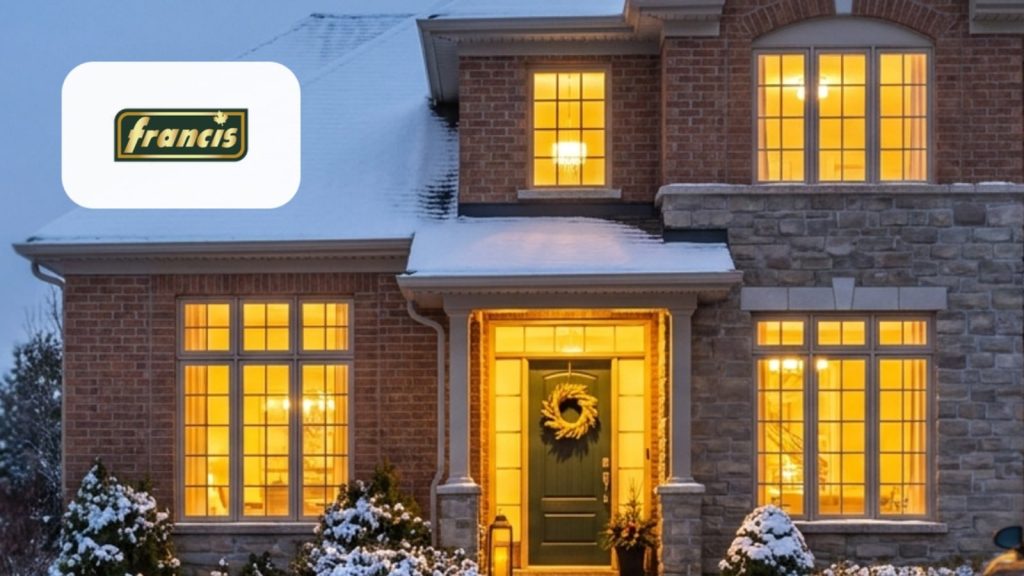
Your furnace is silent. Your pipes look fine. But here’s what 90+ years serving Ottawa families has taught us: the homes that stay comfortable through -30°C winters aren’t lucky—they’re prepared.
Every November, we see the same pattern. Homeowners wait until the first deep freeze to discover their furnace won’t fire up or their pipes have burst. The emergency calls flood in, wait times stretch to days, and repair costs triple. But it doesn’t have to be this way.
This complete winter preparation checklist covers everything your Ottawa home needs before the cold hits. Follow these steps now, and you’ll join the thousands of Ottawa homeowners who sleep soundly while the temperature drops outside. Let’s make sure your home is ready.
Why Ottawa Winters Demand Early Preparation
Ottawa’s winter climate is uniquely harsh. We regularly see temperatures plunge below -25°C, with wind chills driving the mercury even lower. Your heating system doesn’t just keep you comfortable during an Ottawa winter—it works overtime to protect your entire home from freeze damage.
Here’s what happens when homeowners skip preparation: furnaces that sat idle for six months develop problems that only show up when they’re under full load. Outdoor plumbing fixtures that weren’t properly shut off freeze and burst, causing thousands in water damage. Heat pumps struggle to keep up because they weren’t serviced before the season started.
The data tells the story. Emergency furnace repairs in January cost 3 to 5 times more than preventive tune-ups done in October or early November. Why? Because when it’s -25°C outside, you’re not shopping around—you’re calling whoever can come fastest, and you’re paying premium rates for after-hours service.
That’s why smart Ottawa homeowners start their winter prep in October, before the rush hits. Book your service now, and you’ll have your pick of appointment times. Wait until the first cold snap, and you might be waiting days for a technician.
Your Complete Furnace Preparation Checklist
Your furnace is the heart of your winter comfort system. After sitting mostly dormant through spring and summer, it needs attention before you ask it to run continuously for four months straight. Here’s your step-by-step furnace preparation checklist:
Schedule a professional furnace tune-up with a licensed HVAC technician. This is the single most important item on this list. During a comprehensive tune-up, a qualified technician will inspect your heat exchanger for cracks (a safety hazard that can leak carbon monoxide), test your ignition system, clean your burner assembly, check gas pressure, measure airflow, test safety controls, and verify your thermostat is calibrating correctly.
Here’s what most homeowners don’t realize: many furnace failures happen because of issues a tune-up would have caught. A cracked heat exchanger, a failing ignitor, a blocked vent—these problems don’t announce themselves until your system is under full winter load. By then, you’re in an emergency situation.
Replace your furnace filter before winter starts, then plan to check it monthly throughout the heating season. A dirty filter is the number one cause of reduced efficiency and system strain. In an Ottawa winter, your furnace is pulling air constantly—if that filter is clogged, your system works harder, costs more to run, and risks overheating.
Test your furnace before you need it. Don’t wait for the first -15°C night to discover your system won’t start. In late October, turn your thermostat up a few degrees and listen. Your furnace should fire up smoothly, with no strange noises, smells, or delays. If you hear banging, smell burning dust (normal for the first run, but shouldn’t persist), or notice weak airflow, call for service now—before everyone else does.
Clear the area around your furnace. Building codes require clearance around your heating equipment for safety and efficiency. Move stored items, boxes, and clutter away from your furnace. Make sure supply and return vents throughout your home are unobstructed—furniture, curtains, and rugs blocking vents force your system to work harder and can create cold spots.
Check your carbon monoxide detectors. Every home with fuel-burning appliances needs working CO detectors. Test them, replace batteries if needed, and replace any units older than seven years. Carbon monoxide is odorless and deadly—your detector is your only warning system.
Ottawa Plumbing Winterization: Protect Your Pipes from Freeze Damage
Frozen pipes are the costliest winter disaster most Ottawa homeowners will ever face. When water freezes inside your pipes, it expands with enough force to crack copper, PVC, and even steel. Once temperatures rise and that ice melts, water pours into your walls, basement, or crawl space—causing thousands of dollars in damage.
The good news? Pipe freeze damage is almost entirely preventable. Here’s your plumbing winterization checklist:
Shut off outdoor taps and drain exterior lines. This is the most critical plumbing task before winter. Locate the shutoff valves for your outdoor hose bibs (usually in your basement or crawl space). Close those valves, then go outside and open the exterior taps to drain any remaining water from the lines. Leave the outdoor taps open all winter—this prevents pressure buildup if any residual water freezes.
Disconnect and drain garden hoses. A hose left connected to an outdoor tap can trap water in the line, causing the pipe and faucet to freeze and burst. Disconnect all hoses, drain them, and store them for winter. If you have an outdoor tap that doesn’t have an indoor shutoff, consider installing a frost-free hose bib—our licensed plumbers can handle this upgrade quickly.
Insulate exposed pipes in unheated areas. Pipes in your crawl space, basement, garage, or exterior walls are at risk during extreme cold. Foam pipe insulation is inexpensive and effective. Pay special attention to pipes on exterior walls and in unheated spaces. If you’re not sure which pipes are vulnerable, a plumbing inspection can identify your risk areas.
Seal air leaks near plumbing. Cold air infiltration through cracks and gaps around pipes dramatically increases freeze risk. Check where pipes enter your home from outside, and seal any gaps with expanding foam or caulk. In your basement, look for drafts near rim joists and foundation penetrations—these are common culprits.
Know where your main water shutoff is located. If a pipe does burst, every second counts. Make sure every adult in your household knows where the main water shutoff valve is and how to operate it. In an emergency, shutting off your water immediately can mean the difference between minor damage and a flooded basement.
Heat Pump & Air Quality System Preparation
If your Ottawa home has a heat pump, fall preparation is critical. Heat pumps work differently from traditional furnaces—they extract heat from outdoor air, which becomes increasingly difficult as temperatures drop. An improperly maintained heat pump will struggle when you need it most.
Schedule heat pump maintenance before November. A qualified technician should check refrigerant levels, test defrost cycles, inspect outdoor coils, verify electrical connections, and ensure your backup heat source is functioning. Many Ottawa homes use heat pumps as primary heating down to around -10°C, then switch to auxiliary heat below that threshold. Both systems need to be ready.
Clear the outdoor unit. Your heat pump’s outdoor compressor needs airflow to function. Remove leaves, debris, and vegetation around the unit. Make sure snow won’t accumulate against it once winter arrives—if your unit sits under a roof drip line, consider installing a cover or relocating snow before it buries your equipment.
Consider indoor air quality upgrades. Ottawa winters mean your home is sealed tight for months. Indoor air quality suffers when fresh air exchange drops and humidity levels plummet. This is the perfect time to discuss humidification systems, air purifiers, and ventilation solutions with your HVAC technician. Your winter comfort isn’t just about temperature—it’s about breathing clean, properly humidified air.
Thermostat Settings & System Efficiency Tips
Your winter preparation isn’t complete until you optimize your thermostat settings for Ottawa’s climate. Here’s how to balance comfort with efficiency:
Install a programmable or smart thermostat if you’re still using a manual dial. Modern thermostats can reduce your heating costs by 10-15% by automatically adjusting temperature based on your schedule. For every degree you lower your thermostat during sleeping or away hours, you save approximately 3% on heating costs.
Set realistic winter temperatures. Most Ottawa homes are comfortable at 20-21°C during waking hours, with a setback to 17-18°C overnight. If your home feels cold at these temperatures, the problem isn’t your thermostat setting—it’s likely inadequate insulation, air leaks, or an underperforming heating system.
Don’t close vents in unused rooms. This old myth persists, but closing vents in your home’s forced-air system doesn’t save money—it increases pressure in your ductwork, reduces system efficiency, and can damage your furnace. Your system is designed to heat your entire home. If you have rooms that are consistently too hot or too cold, you need ductwork balancing, not closed vents.
Keep interior doors open to allow proper air circulation. Closed doors trap heat in some rooms while starving others, making your system work harder to maintain even temperatures.
When to Call a Professional vs. DIY Winter Prep
Some winter preparation tasks are perfect for handy homeowners. Others require licensed professionals for safety, efficiency, and code compliance. Here’s how to know the difference:
DIY-friendly tasks:
- Changing furnace filters (check monthly, replace when dirty)
- Testing your thermostat and adjusting settings
- Clearing vents and registers of obstructions
- Disconnecting garden hoses and draining outdoor taps (after indoor shutoff valves are closed)
- Testing carbon monoxide and smoke detectors
- Clearing debris from heat pump outdoor units
- Adding weatherstripping and caulking air leaks
Tasks requiring a licensed professional:
- Furnace tune-ups and combustion system inspection
- Heat exchanger crack testing (safety critical)
- Gas line inspection and pressure testing
- Heat pump refrigerant level checks and defrost cycle testing
- Installing or relocating plumbing shutoff valves
- Electrical work on thermostats, furnaces, or heat pumps
- Carbon monoxide testing and combustion analysis
- Ductwork balancing and airflow measurement
Here’s why professional service matters: Ottawa winters are unforgiving. A DIY mistake on your heating system doesn’t just mean discomfort—it can mean carbon monoxide exposure, fire hazard, frozen pipes, or system failure when temperatures are life-threatening. Licensed HVAC and plumbing professionals carry insurance, follow code requirements, and have the diagnostic tools to catch problems before they become emergencies.
The True Cost of Skipping Winter Preparation
We understand that furnace tune-ups and winterization services represent an upfront cost. But let’s talk about what skipping preparation actually costs Ottawa homeowners:
A preventive furnace tune-up typically runs $150-200. An emergency furnace repair in January—when you’re competing with hundreds of other cold homeowners—starts at $500 and quickly climbs to $1,500 or more for parts and after-hours labor. A full furnace replacement, forced on you in the middle of winter with no time to shop around, can cost $5,000-8,000.
Winterizing your plumbing costs under $200 if you hire a professional. A burst pipe causing water damage? The average insurance claim for frozen pipe damage in Canada is over $10,000. Even if insurance covers most of it, you’ll pay your deductible, face premium increases, and live through the disruption of water extraction, drying, and repairs.
And those figures don’t account for the intangible costs: sleeping in a hotel because your home has no heat, missing work to wait for emergency service, or the stress of dealing with preventable disasters.
Prevention isn’t expensive—it’s an investment that pays for itself the moment it prevents an emergency.
Gold Plan Membership: The Comprehensive Solution
If you’re looking for a set-it-and-forget-it approach to winter preparation, Francis’s Gold Plan membership is designed exactly for that purpose. Gold Plan members get annual furnace tune-ups, priority scheduling, repair discounts, and the peace of mind that comes from knowing Ottawa’s most trusted home comfort professionals (serving Ottawa since 1933) are monitoring your systems year-round.
Here’s what makes the Gold Plan different: it’s not just maintenance—it’s comprehensive home comfort management. Members receive reminders when service is due, priority response if problems arise, and discounted rates on any repairs needed. For families who want to protect their homes without managing a checklist themselves, it’s the ultimate winter preparation solution.
Plus, every Gold Plan membership contributes to our community giving program. To date, we’ve donated over $150,000 to local Ottawa causes. When you protect your home, you’re also giving back to the community we all call home.
Frequently Asked Questions About Ottawa Winter Home Preparation
When is the best time to schedule my furnace tune-up in Ottawa?
October and early November are ideal for furnace tune-ups in Ottawa. You’ll avoid the rush that hits once cold weather arrives, have flexible scheduling options, and ensure your system is ready before you need it. Many HVAC companies, including Francis, are booked 2-3 weeks out by mid-November, so early scheduling is always recommended.
How often should I change my furnace filter during Ottawa winters?
Check your furnace filter monthly during heating season and replace it when it looks dirty—typically every 1-3 months depending on your filter type, pets, and home dust levels. During Ottawa’s coldest months when your furnace runs continuously, filters clog faster. A $20 filter change can prevent a $500 repair caused by restricted airflow.
Can I winterize my outdoor taps myself, or do I need a plumber?
If you have accessible indoor shutoff valves for your outdoor taps, winterization is a straightforward DIY task: close the indoor valve, open the outdoor tap to drain the line, leave the outdoor tap open all winter. However, if you don’t have shutoff valves, can’t locate them, or have frost-free hose bibs that need service, call a licensed plumber. It’s a quick service call that prevents expensive freeze damage.
What temperature should I set my thermostat to in an Ottawa winter?
Most Ottawa homes are comfortable at 20-21°C during daytime and evening hours, with a setback to 17-18°C overnight or when you’re away. Never set your thermostat below 15°C if you’re leaving your home for extended periods—pipes can freeze in exterior walls and unheated spaces if your home gets too cold.
How do I know if my furnace needs professional service or replacement?
If your furnace is over 15 years old, requires frequent repairs, produces uneven heating, or causes your energy bills to spike, it may be time for replacement. However, many furnaces last 20-25 years with proper maintenance. A qualified HVAC technician can assess your system’s condition, provide an honest recommendation, and help you decide whether repair or replacement makes financial sense.
What’s included in a professional furnace tune-up?
A comprehensive furnace tune-up includes inspecting and cleaning the burner assembly, testing the heat exchanger for cracks, checking gas pressure and connections, measuring airflow and temperature rise, testing ignition and flame sensors, inspecting the vent system, checking safety controls, lubricating motors and bearings where applicable, testing your thermostat calibration, and replacing or cleaning your filter. The entire service typically takes 45-60 minutes.
Conclusion: Your Winter Comfort Starts with Preparation
Ottawa winters are too harsh and too long to leave your home comfort to chance. Every item on this checklist exists because we’ve seen what happens when homeowners skip it—and we’ve seen the peace of mind that comes from being properly prepared.
Start with the big two: schedule your furnace tune-up and winterize your plumbing. Everything else on this list is important, but those two tasks prevent 90% of winter emergencies. Once those are handled, work through the rest of the checklist before the first deep freeze.
Since 1933, Francis Plumbing, Heating & Cooling has been helping Ottawa families prepare for winter and stay comfortable through even the coldest months. We’ve seen every possible winter scenario, and we know what works. Our licensed, experienced technicians are ready to get your home winter-ready.
Don’t wait for the cold snap to realize your home wasn’t ready. Call Francis at 343-770-2038 today to schedule your furnace tune-up and winterization service. Let’s make sure your home is protected before winter arrives—because once it’s -25°C outside, prevention is too late.